
Pluripotency
Dynamics Group
Molecular mechanisms of pluripotency maintenance and early stem cell differentiation.
Pluripotency and cell specification
Pluripotent stem cells can give rise to every cell type in the body. We investigate the molecular mechanisms that maintain this potential and govern its realization during differentiation.
Based at the Institute of Cytology of the Russian Academy of Sciences, our group studies transitions between pluripotency states and early differentiation. We focus on transcription factors that control the execution of differentiation programs.
Research areas
Transcriptional regulation, metabolism and early cell specification.
Nanog in endoderm differentiation
We investigate Nanog in the differentiation of pluripotent cells into endoderm, one of the three germ layers. We ask why cells exposed to the same conditions can follow different trajectories.
Ongoing researchMolecular interaction of Oct4 and Sox2
We study the amino acid residues that enable Oct4 to dimerize with Sox2, connecting the molecular interaction of these two factors to the regulation of cell state.
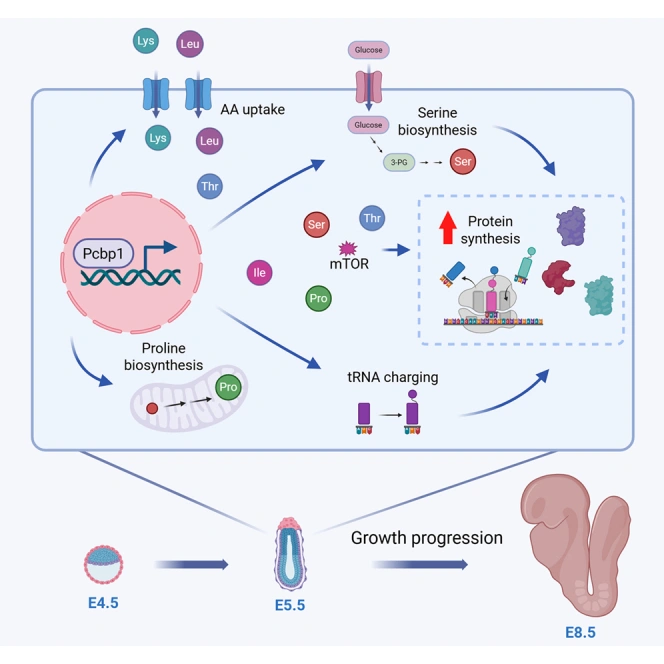
Ongoing researchPCBP1 and amino acid anabolism
We showed that PCBP1 is required to activate amino acid anabolism during the naïve-to-primed pluripotency transition. This process supports protein synthesis and growth after implantation.
Stem Cell Reports · 2026Oct4 in mesoderm specification
We identified a role for Oct4 in sustaining the proliferative capacity of early mesodermal progenitors. We explore the connection between cell fate decisions and the cell cycle.
International Journal of Molecular SciencesExperimental approaches
Cell models, genome editing and molecular data analysis are used to investigate the functions of regulatory proteins.
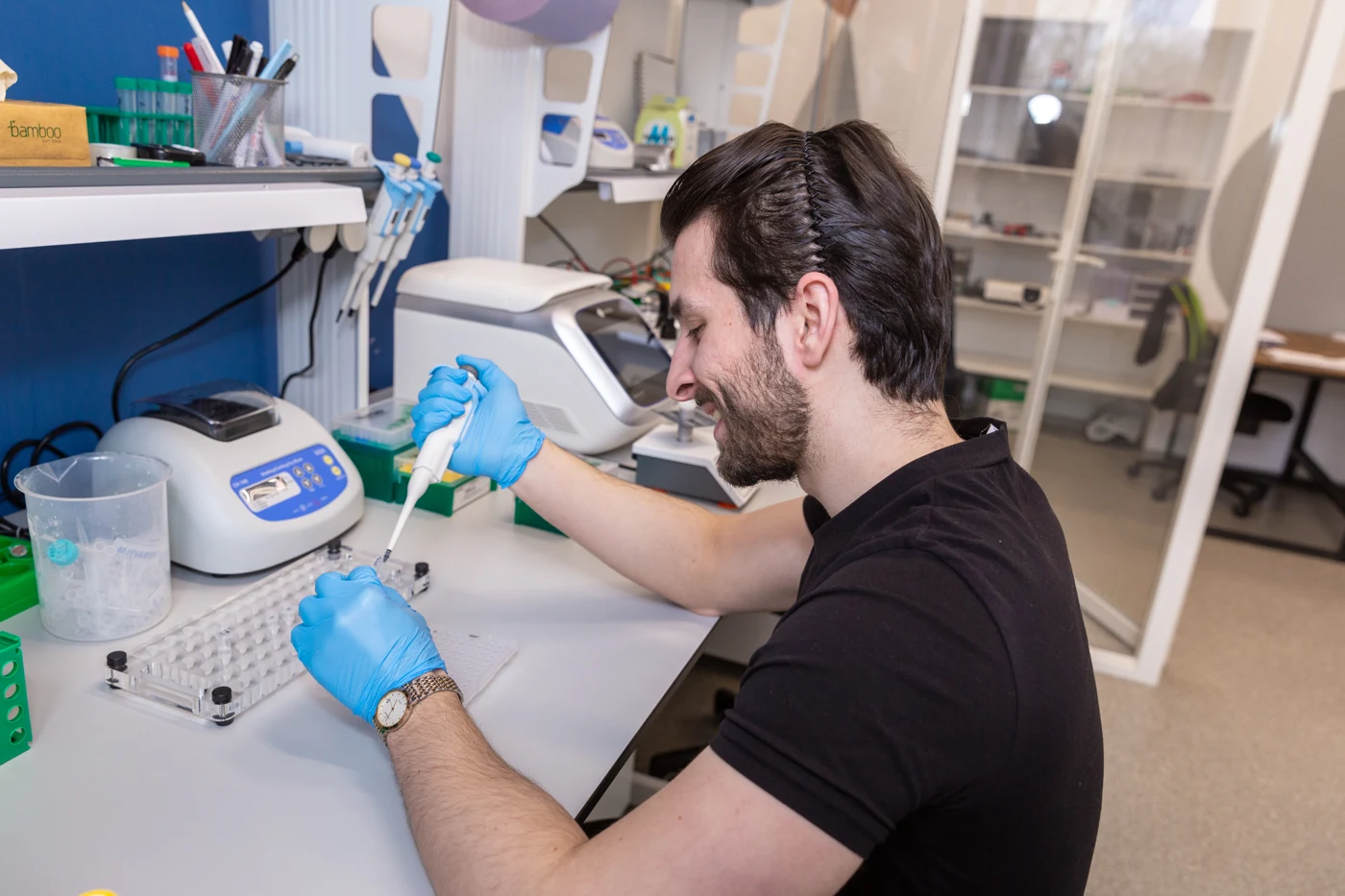 Inside our laboratory · Institute of Cytology RAS
Embryonic stem cell (ESC) culture, directed differentiation and reporter lines allow us to observe when and how cells change their state.
Endoderm specification
A time-lapse of endoderm specification. A Foxa2-EGFP reporter lets us observe activation of the differentiation program.
Group members
Pluripotency Dynamics Group, Institute of Cytology RAS.
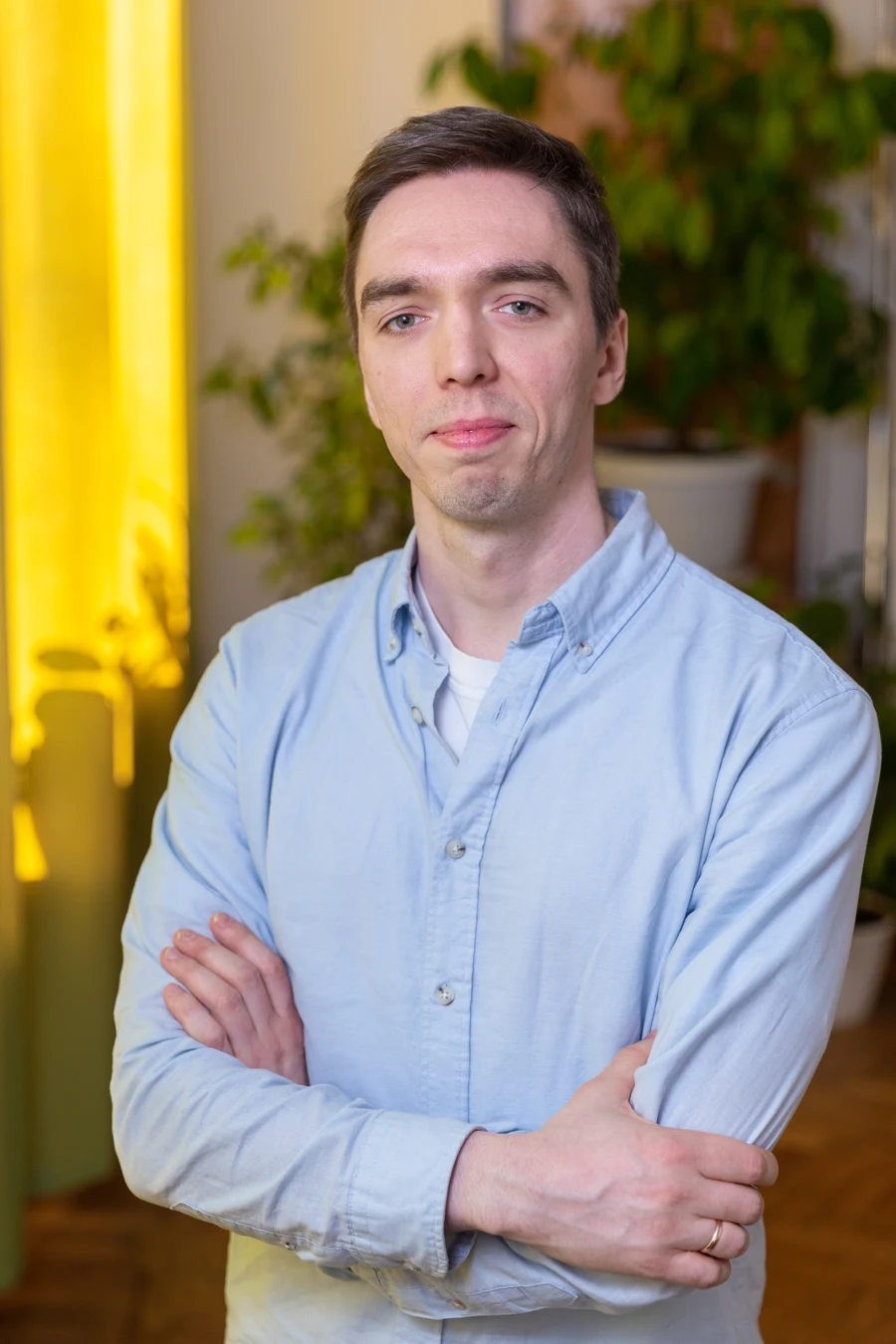
Evgeny Bakhmet
Group leaderPhD in Biology, Senior Research Scientist
ORCID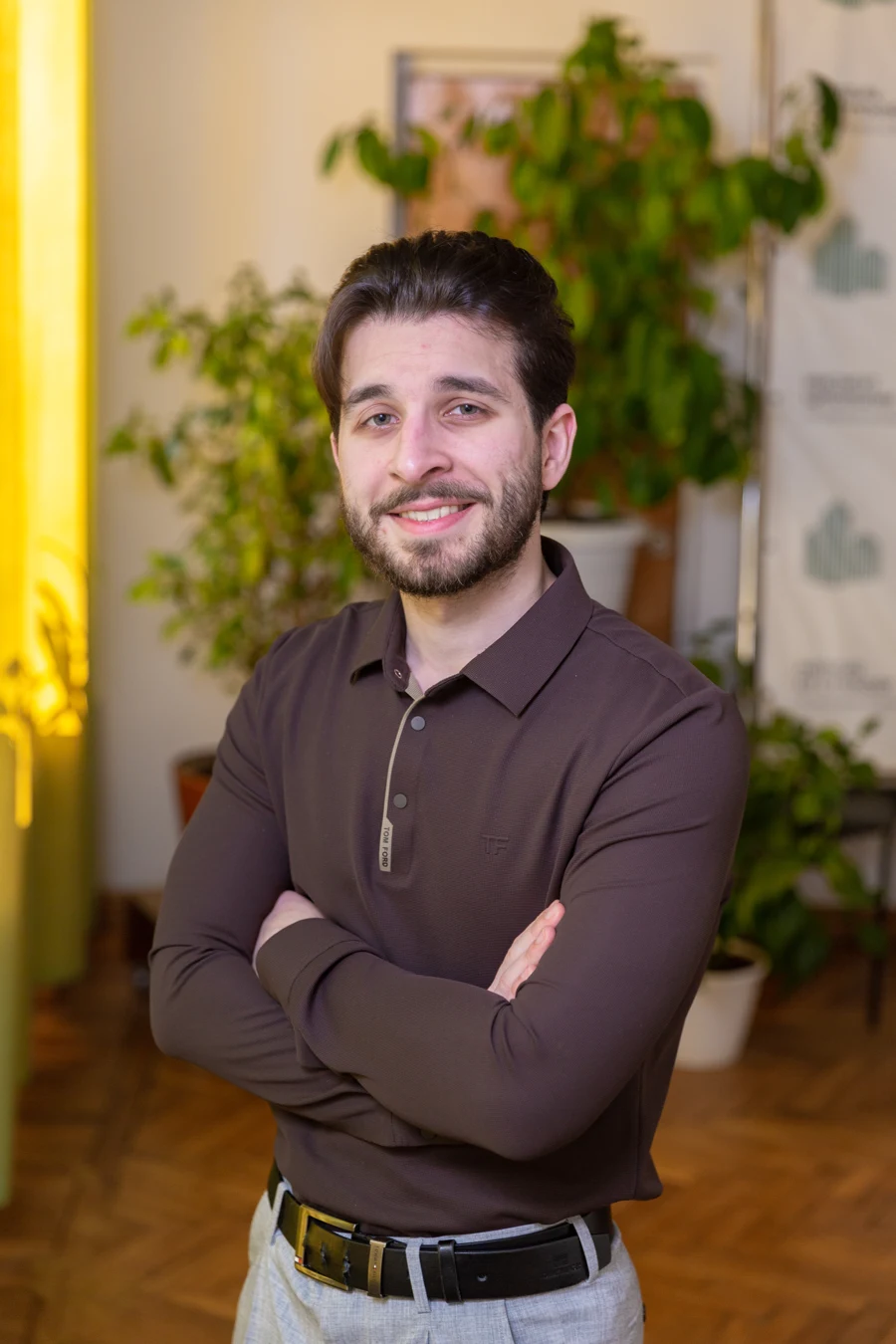
Vladislav Vasilin
Research assistantMSc student, Alferov Academic University

Polina Aleksandrova
Research assistantMSc student, St Petersburg State University
Selected publications
PCBP1 orchestrates amino acid metabolism burst during the naïve-to-primed pluripotency transition
PCBP1 connects a change in pluripotency state to amino acid metabolism and protein synthesis.
Oct4 Contributes to Mesodermal Differentiation by Sustaining the Proliferative Capacity of Early Mesodermal Progenitors
Oct4 sustains the proliferative capacity of early mesodermal progenitors.
Embryonic Stem Cell Differentiation to Definitive Endoderm As a Model of Heterogeneity Onset During Germ Layer Specification
A definitive endoderm differentiation model reveals how cellular heterogeneity emerges during specification.
Research support
Russian Science Foundation (RSF)
- 20-74-000722020–2022
- 23-75-100962023–2026
- 23-75-10096-П2026–2028Renewal